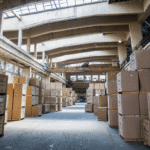
Reverse logistics has become a major concern for many businesses, especially those in eCommerce, retail, electronics, and FMCG. Returns can’t always be avoided, but the cost of handling them often eats into margins. What many companies don’t realise is that a large portion of returns happen due to avoidable packaging problems — damage in transit, poor protection, or mismatched sizing.
Improving packaging is one of the easiest and most cost-effective ways to bring down reverse logistics costs. Here’s how.
1. Fewer Damages Mean Fewer Returns
One of the biggest contributors to reverse logistics is damage during shipping.
Better packaging directly helps reduce:
- Product breakage
- Dents and scratches
- Leakage
- Deformation of goods
Using the correct ply (3, 5, 7, or 9), appropriate GSM, and proper internal support ensures that the product reaches customers intact. Every prevented damage is a saved return cost.
2. Right-Sized Boxes Reduce Internal Movement
Products that move inside the box are more likely to get damaged. Oversized boxes create unnecessary empty space, which:
- Increases impact during handling
- Requires extra fillers
- Raises the risk of breakage
When the box fits the product properly, it stays stable, reducing the chance of returns due to damage.
3. Better Protection Lowers Return-Shipping Expenses
When a damaged product is returned, the business pays for:
- Pickup
- Repacking
- Transit
- Inspection
- Possible replacement
All these costs add up quickly. Strong packaging — especially using 5 ply, 7 ply, or 9 ply boxes where required — minimizes these situations and keeps return rates under control.
4. Internal Cushioning Helps Prevent Invisible Damage
Sometimes products look fine from the outside, but internal components break due to shock or vibration.
Using corrugated pads, sheets, partitions, or corner supports helps:
- Absorb impact
- Reduce pressure on fragile parts
- Prevent internal shifting
This is especially important for electronics, glassware, and multi-piece items.
5. Moisture Protection Avoids Seasonal Returns
In India, weather plays a major role in product safety.
Proper packaging during monsoons — using polybags, stronger ply, and better sealing — helps avoid:
- Moisture damage
- Softened packaging
- Mold or spoilage
This directly reduces seasonal return volumes.
6. Stronger Packaging Improves Return-Friendly Handling
Even if a customer returns an item, good packaging makes the process smoother. Boxes that are:
- Easy to re-seal
- Strong enough to be reused
- Resistant to tearing
…reduce the need to repack items completely, cutting labour and material costs.
7. Better Packaging Improves Customer Confidence
When customers receive products in neat, strong, well-finished packaging, they trust the brand more. This often results in:
- Fewer complaints
- Reduced “quality dissatisfaction” returns
- Higher product acceptance rates
Satisfied customers rarely return items without a strong reason.
8. Reducing Returns Protects Profit Margins
Reverse logistics can cost anywhere from 20% to 60% of the original product value, depending on the category.
By investing in the right packaging:
- Damages reduce
- Handling costs drop
- Customer satisfaction increases
- Re-delivery and replacement expenses decline
Better packaging is not an added cost — it’s a cost saver.
Final Thoughts
Reverse logistics will always be a part of business, but it doesn’t have to drain profits. Many returns can be prevented simply by using packaging that matches the product’s weight, fragility, and transport conditions.
Well-made corrugated boxes, proper cushioning, and the right sealing methods go a long way in reducing avoidable returns. It’s a strategic investment that pays off through fewer complaints, fewer replacements, and more stable operations.
If you need help deciding the right packaging setup for your products, Maxbox can suggest the correct ply, size, and cushioning based on your usage.